Gishwati Mukura National Park
Introducing
Gishwati Mukura National Park
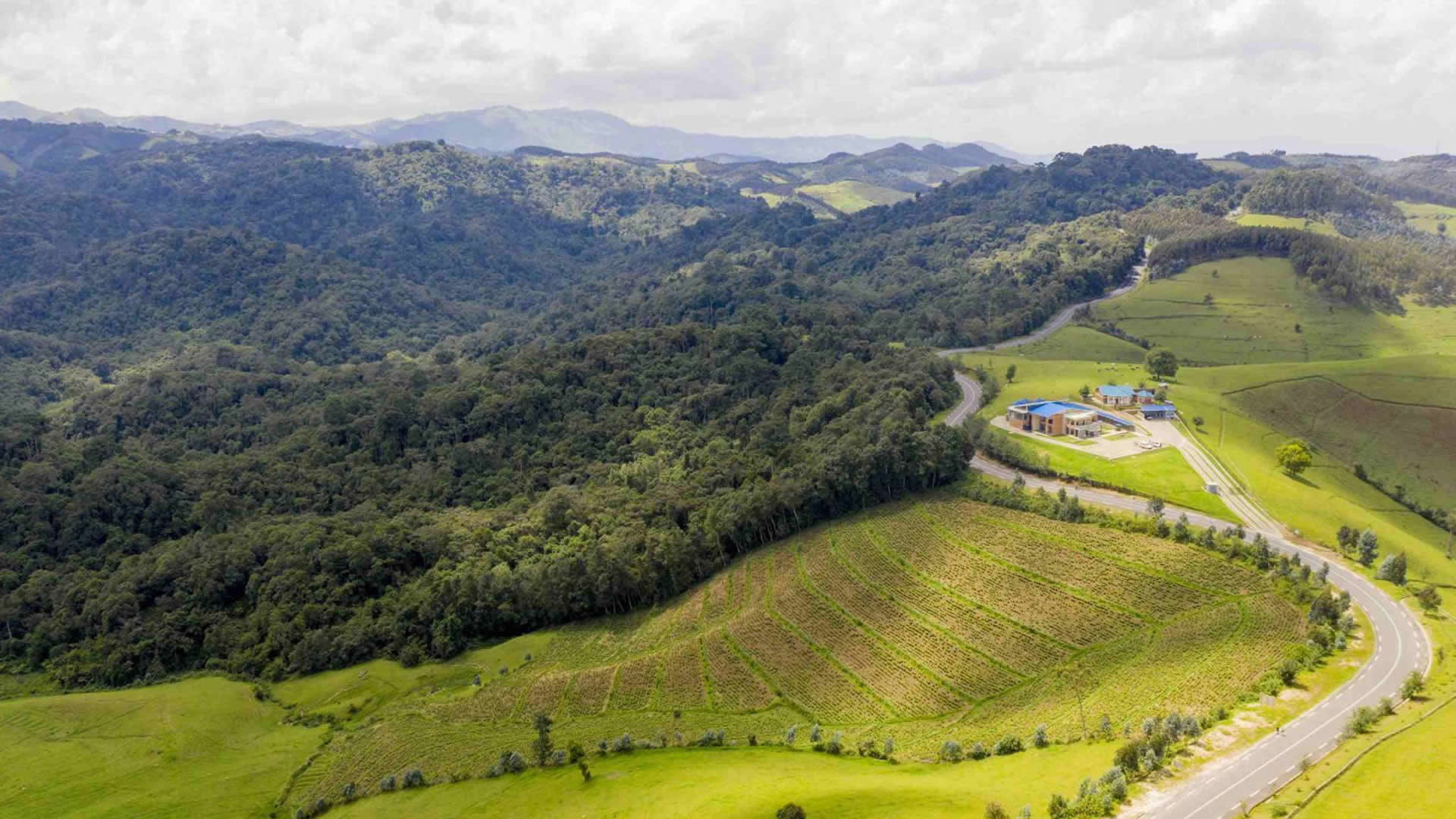
Rwanda’s fourth national park, Gishwati Mukura is made up of two separate forests – the larger Gishwati and small Mukura, forming a total of 34 square kilometres plus a buffer zone. The forests sit on the ridge which divides the Congo and Nile water catchment areas, along the incredibly biodiverse Albertine Rift in the west of the country. It is made up of 60 species of tree, including indigenous hardwoods and bamboo.
Gishwati is home to a group of 20 chimpanzees which live alongside golden monkeys, L’Hoest’s and Blue Monkeys. Birds are well represented too, 232 species have been seen at Gishwati and 163 at Mukura, among them Albertine Rift Endemic species and forest specialists. Activities in the park started in 2019 and include a guided nature hike, guided chimp and monkey tracking, bird watching and a visit to the waterfalls.
Gishwati Mukura National Park in Pictures


The Gishwati Mukura National Park Experience
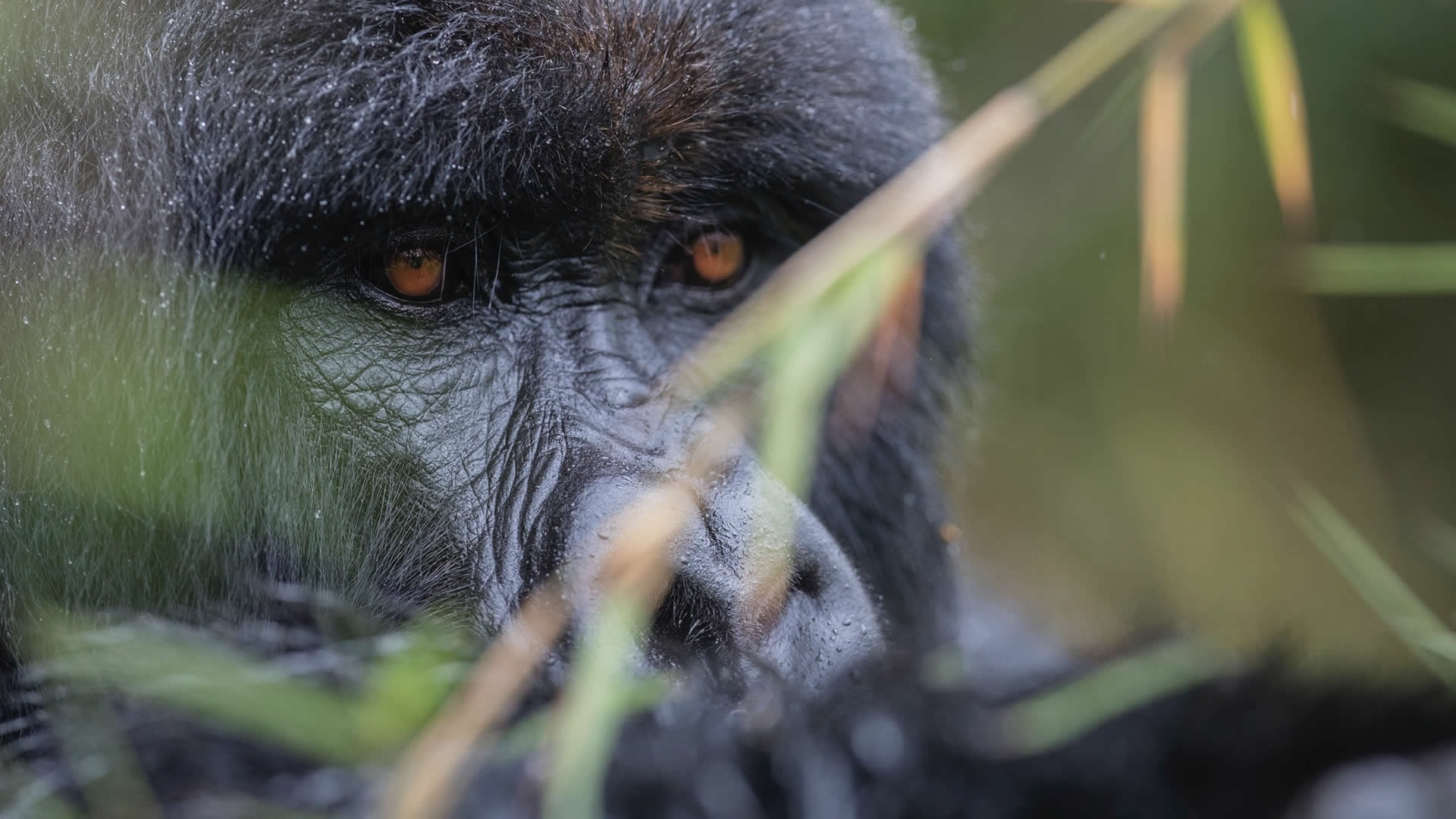
In terms of wildlife, Gishwati is best known for its chimpanzee population. Other primate species can also be spotted, including the endangered golden monkey, the blue monkey, and the L’Hoest’s monkey, a vulnerable forest species restricted to the upper eastern Congo basin. Primates aside, possible wildlife sightings range from serval cats and side-striped jackal to red river hogs and black-fronted duiker. For the best chance of success, sign up for a guided nature hike or dedicated primate tracking experience. Birding hikes are also offered, with 232 species recorded in the Gishwati section of the national park alone.
Above all, a visit to Gishwati offers the chance to witness a critical conservation project in action—and in some places, to appreciate the once-mighty Congo-Nile Divide forest as it has been for thousands of years. Forest of Hope, one of the key organizations behind the Gishwati-Mukura restoration, has also founded several community projects in order to ensure that the people living closest to the national park benefit from its existence. These include cooperatives for beekeepers, traditional healers, female crafters, local farmers, and a traditional dance group. All of these can be visited for an authentic insight into Rwandan culture.
Gishwati Mukura National Park - Wildlife
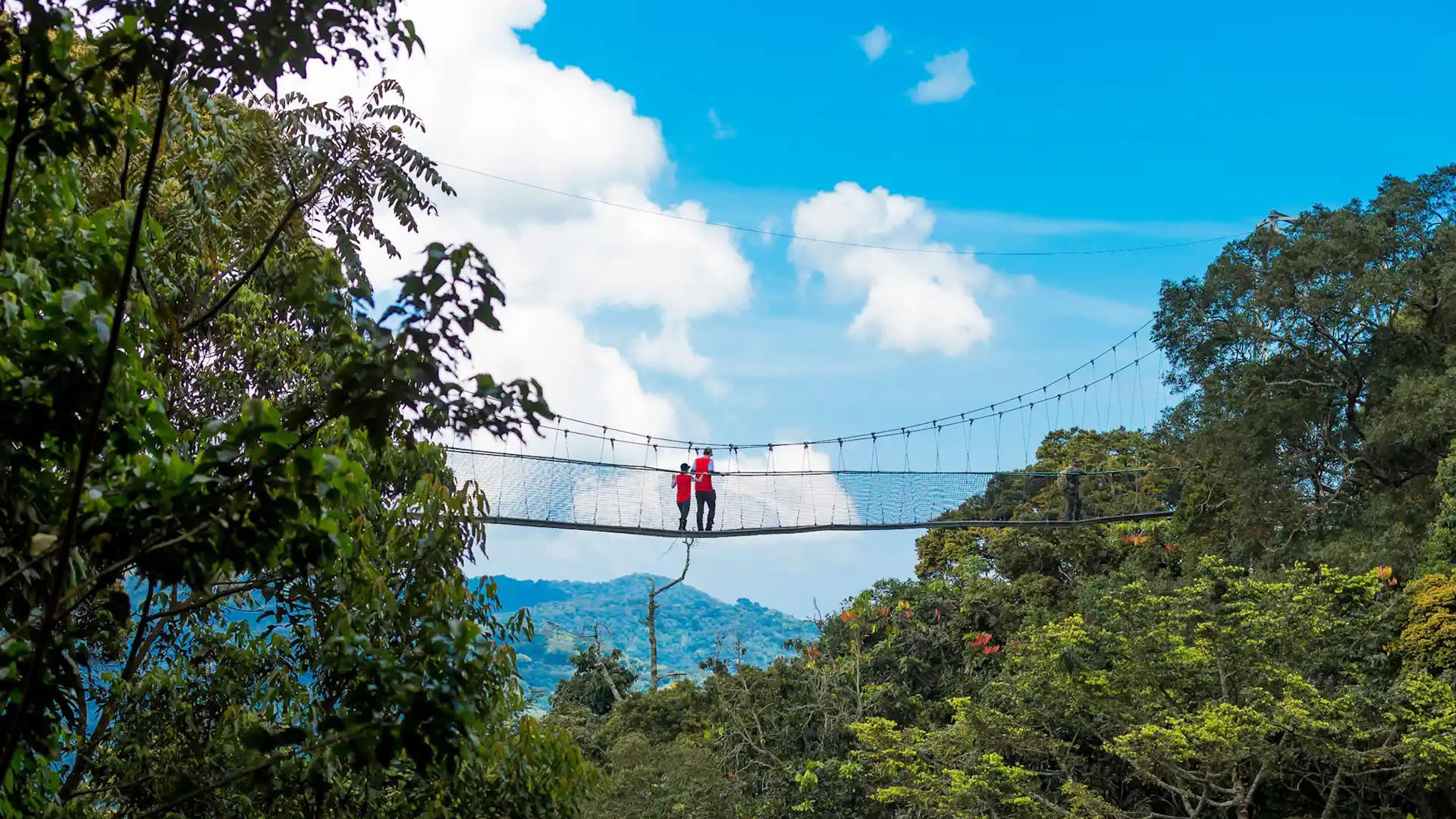
While on a nature walk at the Gishwati Mukura National Park, you will have an opportunity to appreciate the natural beauty of the forest and its creatures like butterflies, chameleons, insects, birds and primates. You will be captivated by the quiet environment in the forest which is characterized by beautiful sounds from the birds and primate calls. Over 60 species of trees can be sighted here including bamboos, ferns, Macaranga kilimand, mahogany and orchids. The park authorities have introduced new species like dombeya torrida, eucalyptus, hagenia abyssinica, macaranga and polyscias fulva. One of the best hiking trails is the one that leads to the kazeneza waterfall in the middle of the park. This beautiful waterfall and the scenery around it will impress anyone who sees it.
Gishwati Mukura National Park - Birdlife
Gishwati Forest offers great birding. More than 150 species have been recorded so far. Approximately 20 of these are Albertine Rift endemics. With a good birding guide who knows the calls, you should be able to mark off many lifers here. You’ll easily spot the great blue and Ruwenzori turacos, and you’ll probably pick up some of the colorful sunbirds too. Also look out for the handsome francolin scurrying away in the forest undergrowth. The birding in Mukura Forest looks very promising, but there are currently no trails yet. The birding in Gishwati-Mukura National Park is good throughout the year. The best time is from January to June when birds are most vocal. Keep in mind though that April tends to be very wet, so birding activities are more likely to be interrupted by rain and trails tend to be very slippery.
Gishwati Mukura National Park
Getting There
By road travel; getting to Gishwati-Mukura is possible within 2 to 3 hours’ drive from Kigali. For a smooth road travel, we recommend a 4×4 drive vehicle.
Best time to Visit
Visits to Gishwati-Mukura can be done all-year-round, considering its favorable weather and climatic conditions. The most ideal time is during the dry season; June to September noted to be the long dry spell and short dry months run from December to February.